
Jinenkan Fudo Dojo
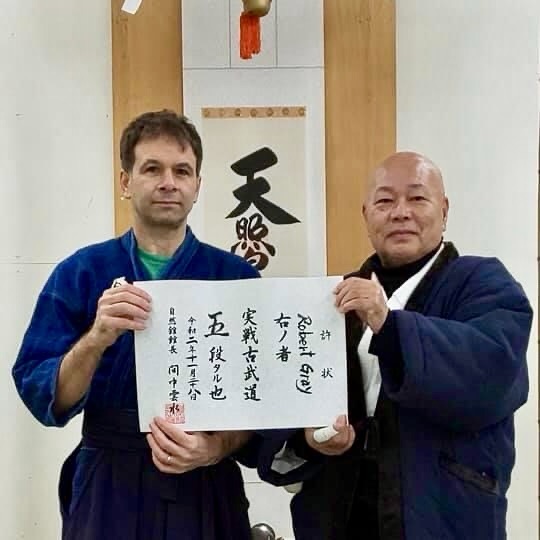
The Jinenkan Fudo Dojo is the official Tokyo branch of the Jinenkan, a kobudo (traditional martial arts) organization founded by Manaka Unsui. It is led by Robert Gray, a 5th Dan and Menkyo Kaiden (full transmission license) holder, who has spent over 20 years training directly under Manaka Unsui in Japan.
While the dojo does not hold regular group classes, Robert is available for private training sessions, either in person in Tokyo or online. The dojo offers students a rare opportunity to study authentic kobudo in its home country.

Jissen Kobudo Jinenkan
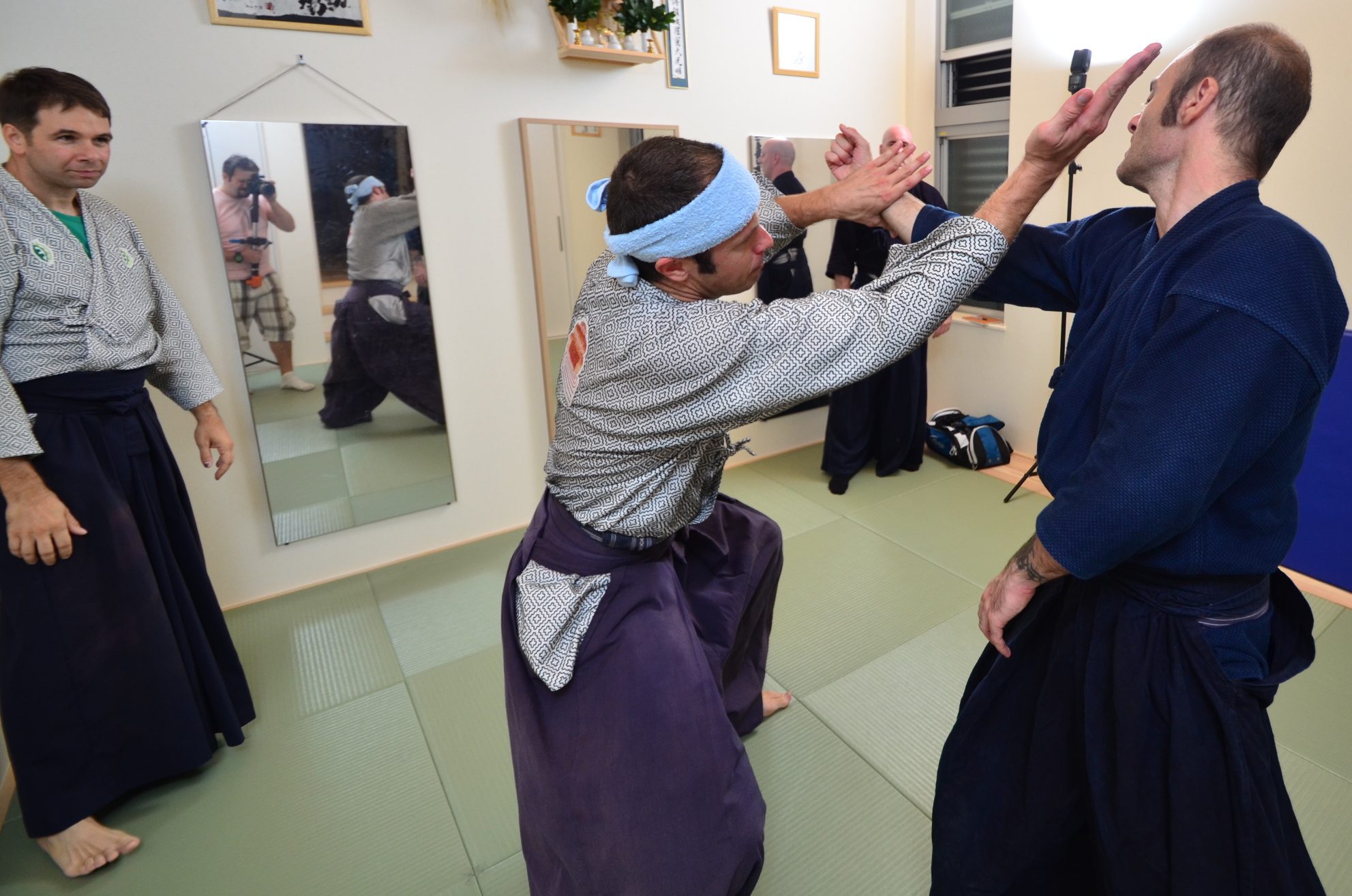
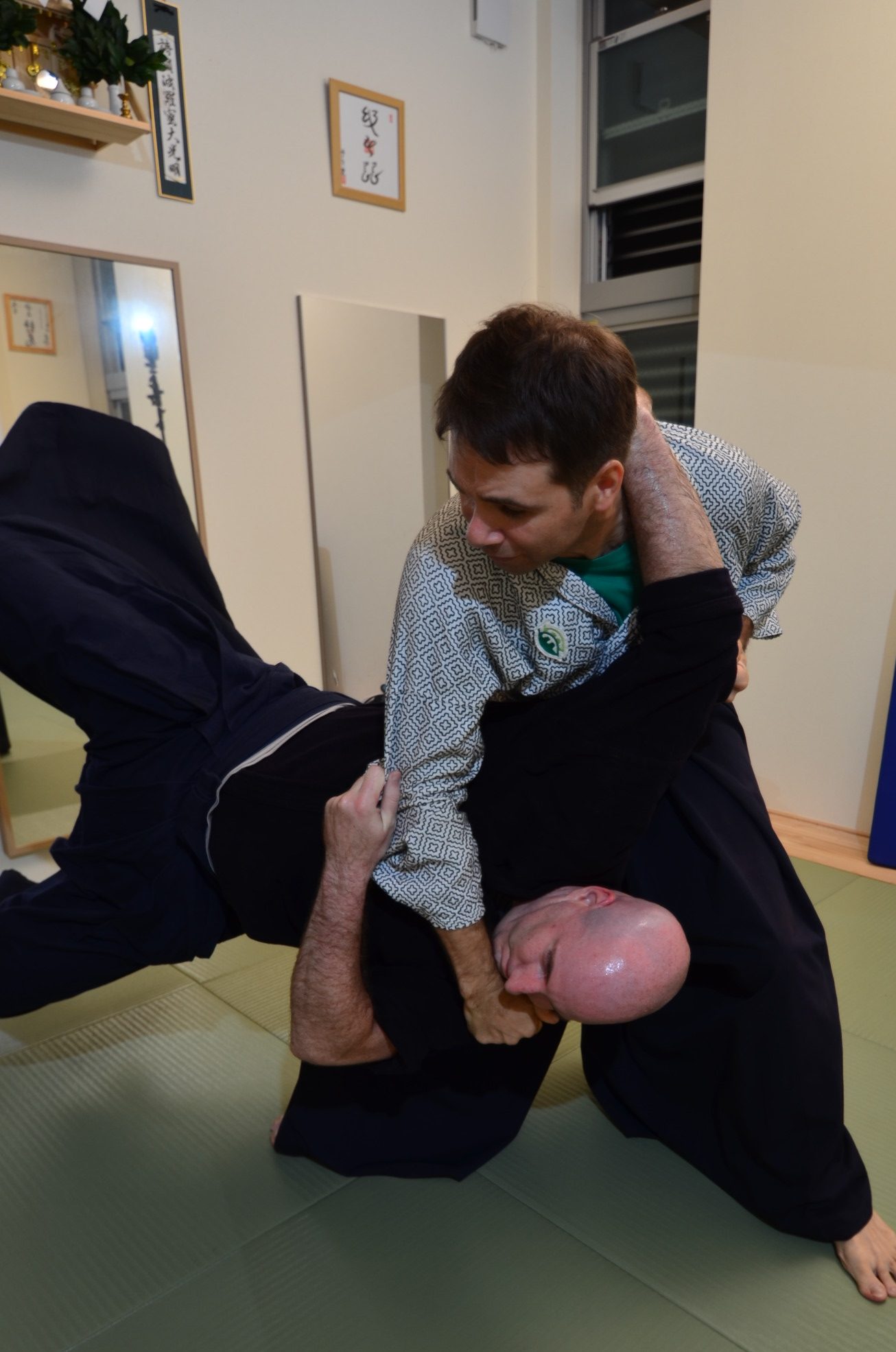
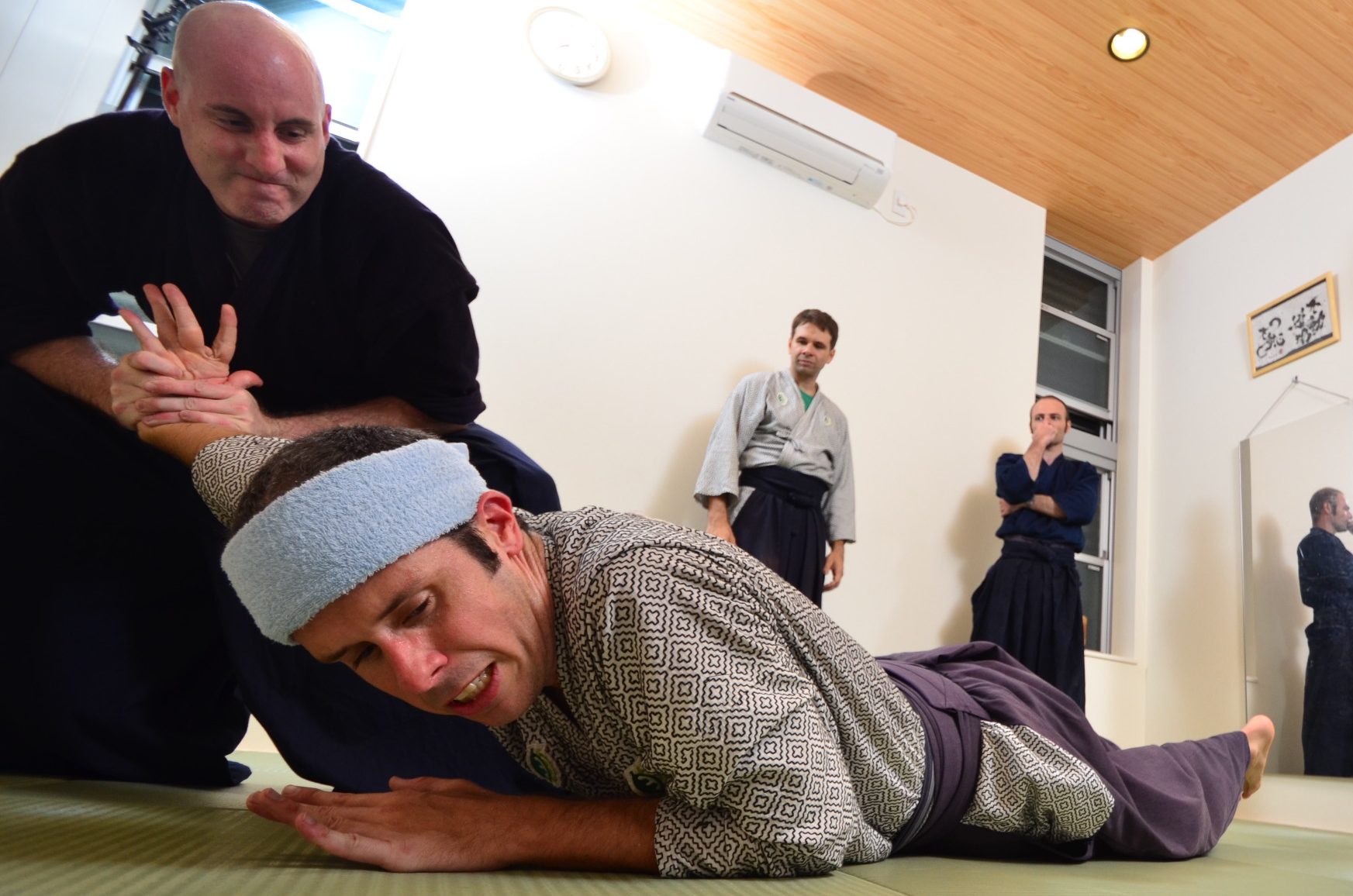
The Jissen Kobudo Jinenkan was founded by Fumio Manaka, known by his martial name “Unsui,” in 1996. The purpose of the organization is to allow students to study the old martial arts of Japan freely and unhindered under his guidance. Unsui has over 50 years of experience in the martial arts of Kobudo, the traditional martial ways.
The Jinenkan offers training in a wide range of classical weapons and skills, including:
- Taijutsu (unarmed combat),
- Bikenjutsu (sword techniques),
- Yari (spear),
- Naginata (halberd),
- Tessen (iron fan),
- Jutte (truncheon),
- Kusari-fundo (weighted chain),
- Tantojutsu (knife techniques),
- Bo, Hanbo, Jo (staff arts), and more.
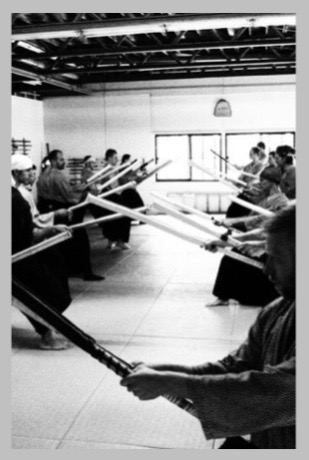

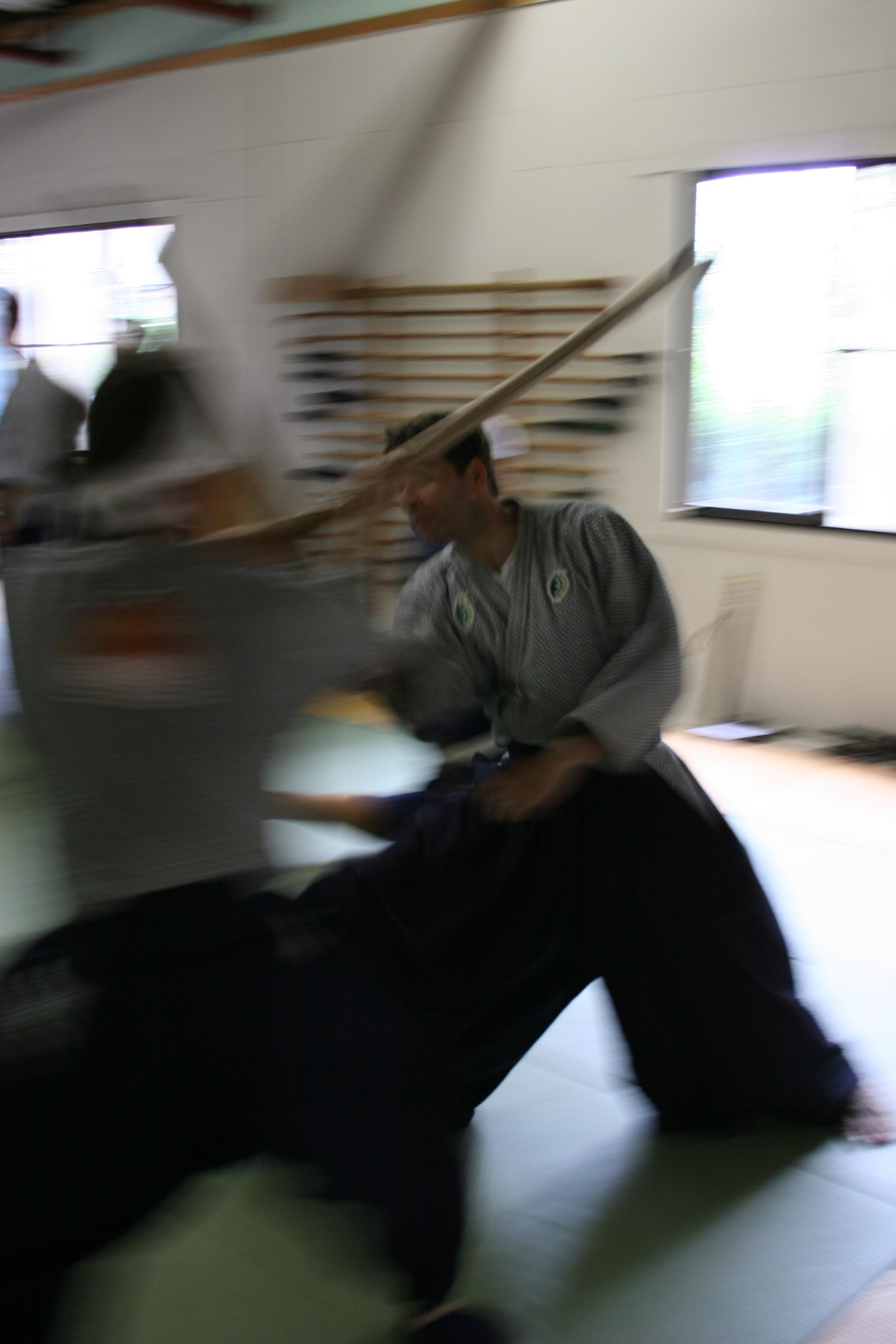
Jinenkan dojos can be found across the United States, Canada, Mexico, Europe, Australia, and Japan. All instructors are at least the rank of Sandan (3rd-degree black belt) and are certified by the Honbu to teach.
On Fudoshin (不動心)
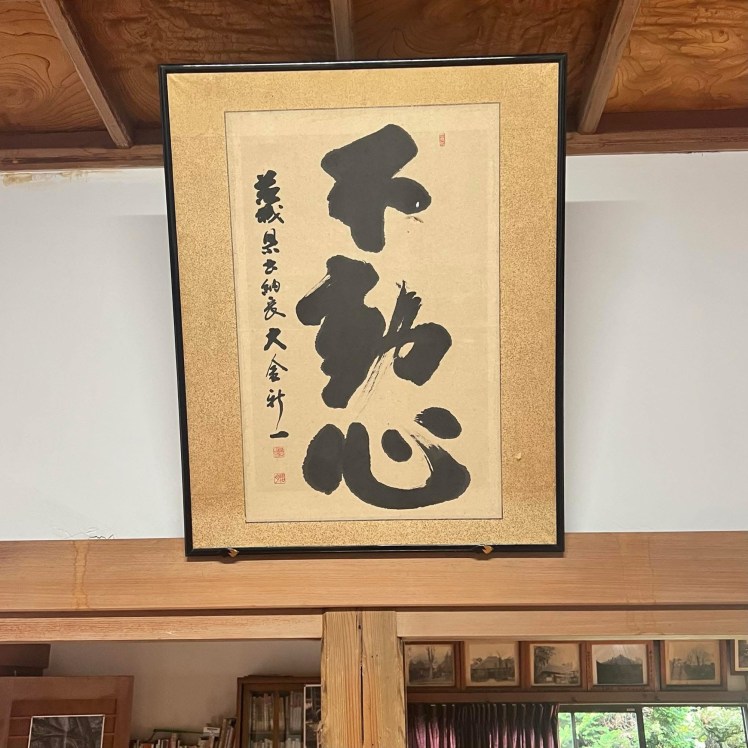
The Fudo Dojo gets in name from the idea of fudoshin. Fudoshin is a concept derived from the Buddhist deity, Fudo Myo-o, who symbolizes the force that cuts through delusion to help people attain enlightenment.
In esoteric Buddhism (Mikkyo), fudoshin represents the immovable, ultimate truth of the universe—or in other words, the fundamental, underlying truth of reality.
In martial arts, the meaning changes to represent an unshakable calmness and composure in combat. It describes the mental state of a warrior who could stay composed even in the face of life-threatening danger. It’s made up of three characters: fu (不) and dō (動),—together meaning “immovable”—and shin (心), meaning “heart” or “spirit.”
Fudoshin is therefore sometimes translated as “immovable heart,” but that can be a bit misleading. It doesn’t mean being cold or stubborn or shutting off emotions. Instead, the “immovable” part refers to maintaining a calm, inner spirit—a spirit that stays steady even in the face of fear or under pressure.
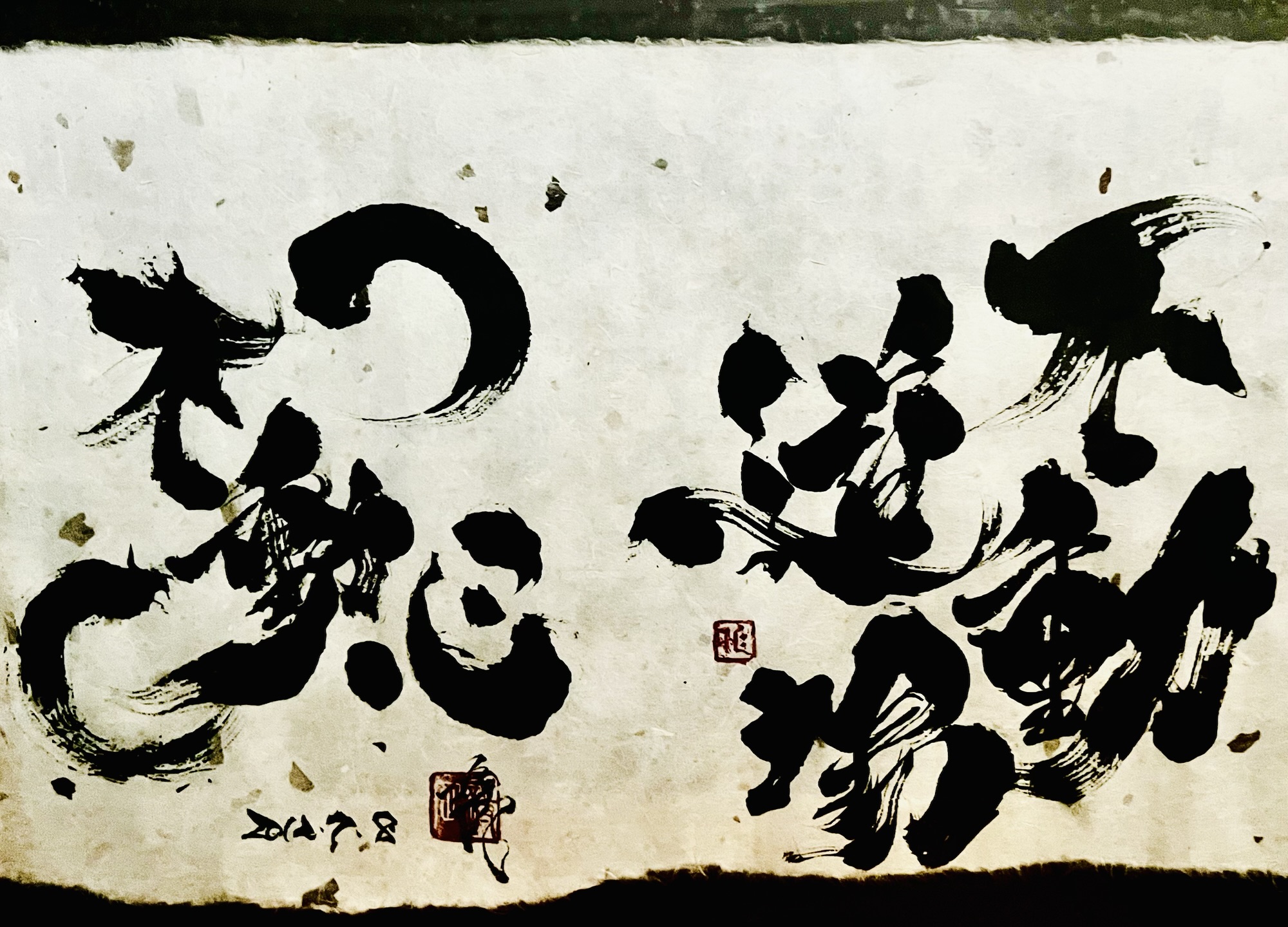
The Shodo (Japanese calligraphy) above has two parts. On the left, it reads “Fudoshin,” and on the right, “Fudo Dojo.” Together, they show that the “fudo” in Fudo Dojo refers to the spirit of fudoshin.
Today, the idea of fudoshin has expanded beyond Buddhism and martial arts. For example, baseball legend Hideki Matsui wrote a book called Fudoshin (only available in Japanese), where he talks about staying focused under the intense pressure of professional sports. I imagine Olympic athletes—such as gymnasts and figure skaters—draw on a similar mindset, steadily continuing their routines even after a fall or mistake.
In martial arts, fudoshin is essential. If your mind is clouded by fear or anger, you won’t perform at your best. Your highest ability shows up when your mind is clear, relaxed, and alert.
Even outside the dojo, fudoshin is just as relevant. Life constantly throws challenges at us that test our patience and focus. But as Manaka Unsui taught me:
“The most useful thing about studying martial arts is strengthening your spirit—forging fudoshin.”
 Robert R. Gray